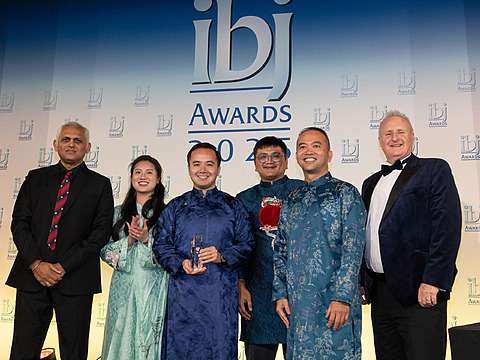
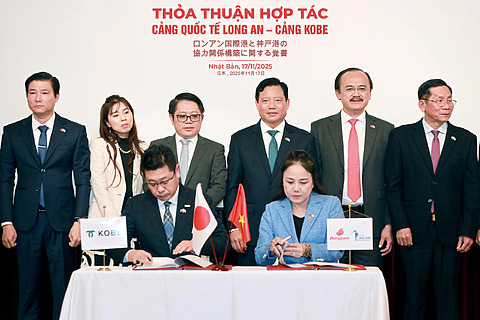
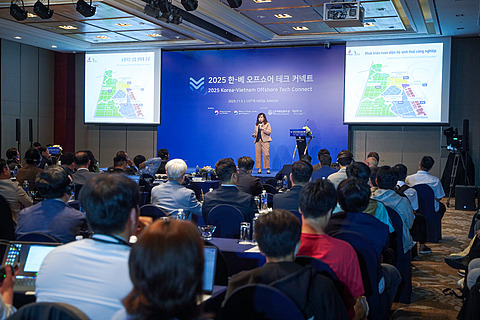
Singapore, November 11, 2026 – Long An International Port shared practical insights into emerging trends in port infrastructure investment at TOC Asia 2026. The panel discussion “Capitalising on South Asia’s Port Network: Where Is Investment Being Directed?” highlighted the growing importance of industrial and logistics connectivity, green and digital transformation, and operational efficiency in shaping the future of the port sector.
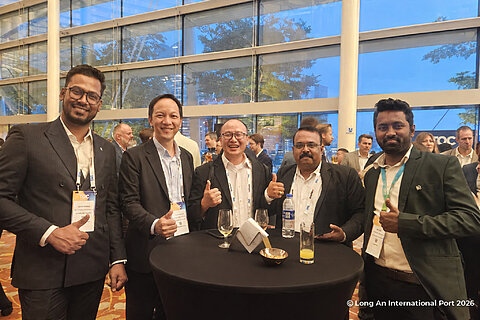
TOC Asia 2026 brought together industry experts, businesses, and visitors from across the region.
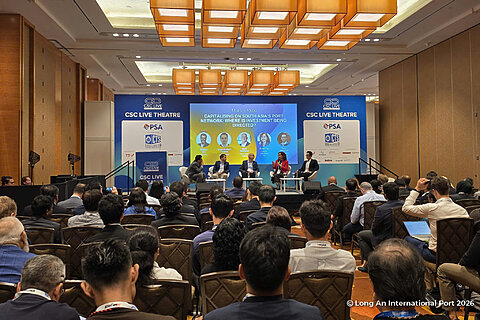
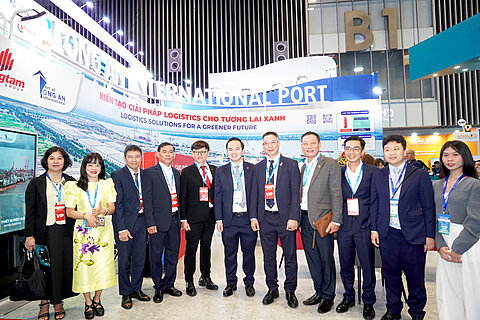
Representatives of Long An International Port engaging with industry experts and businesses from across the region at TOC Asia 2026.
Held on November 10–11 at the Marina Bay Sands Convention Center in Singapore, TOC Asia brought together thousands of businesses, industry experts, and investors from across the port, container shipping, and logistics sectors.
Location Provides The Foundation, Integration Creates Value
As global supply chains and international trade continue to evolve, port competitiveness is increasingly shaped by the ability to connect cargo sources, deliver quality services and ensure operational efficiency. Beyond geographical advantages and berth infrastructure, integration with industrial parks and logistics networks is now even more essential to the long-term and sustainable development of seaports.
Developed by Dongtam Group, Long An International Port is located in Tan Tap Commune, Tay Ninh Province, with a planned port development area of 147 hectares. The port is part of an integrated seaport – industry – logistics – urban ecosystem, supported by 932.6 hectares of planned industrial park and industrial cluster land, alongside urban development projects under the master plan.
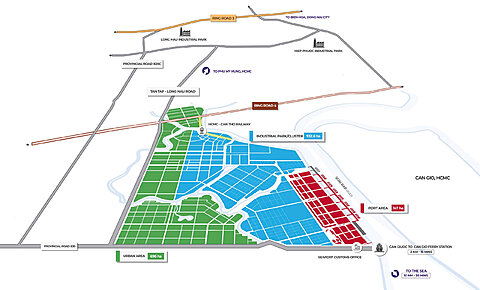
Dongtam Group’s integrated ecosystem.
The integrated model is designed to strengthen connections between manufacturing, transportation, and trade, while providing businesses with greater access to integrated logistics services.
Ms. Rose Yap, Head of Communications and Marketing at Long An International Port, said, “Traditionally, terminal operators focused primarily on handling cargo, managing berths, and providing services to shipping lines and cargo owners. These remain essential responsibilities, but the expectations placed on ports today are evolving. Ports are increasingly expected to serve as strategic gateways connecting maritime transport with industrial production, logistics networks, and international trade. This creates opportunities for port investors and operators to contribute more actively in the development of the surrounding economic ecosystem.”
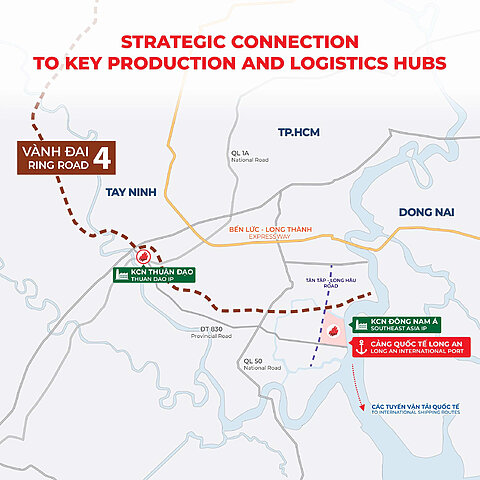
Long An International Port serves as a strategic connection between maritime infrastructure and key production and logistics hubs.
Green And Smart Port Development: Investing For Operational Impact
Alongside coordinated infrastructure development, Long An International Port considers green and smart port development a long-term investment strategy aimed at improving operational efficiency, service quality, and environmental responsibility.
The port is continuously investing in and adopting digital management and operational solutions, including TOS, AutoGate, E-Port, WMS, and SAP S/4HANA. These systems are designed to improve data connectivity, streamline port operations, and enhance transparency across logistics activities.
In parallel, the port is prioritising energy-efficient solutions and measures to reduce its environmental footprint. These include electric-powered cargo-handling equipment, rooftop solar power systems and vehicles meeting Euro 5 emission standards.
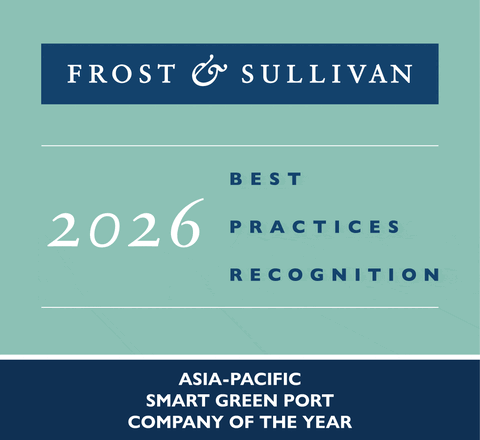
These efforts were recognised by Frost & Sullivan, name Long An International Port as “2026 Asia-Pacific Smart Green Port Company of the Year”.
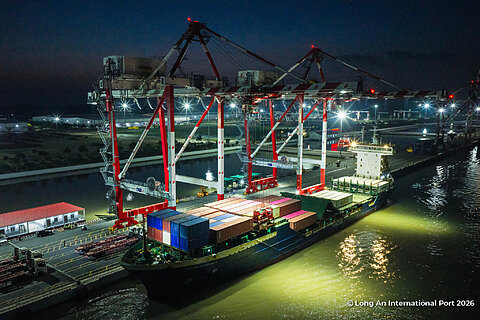
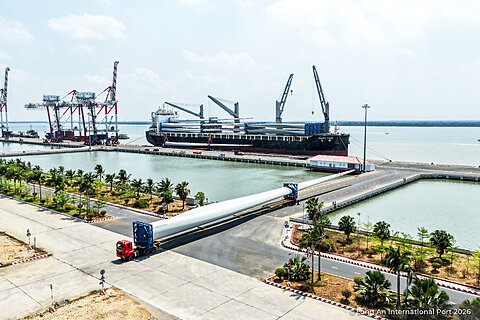
Long An International Port is pursuing its vision of becoming a smart and green port.
The Success Of Port Investment Lies In Long-term Value Creation
Drawing on its experience in developing Long An International Port, Dongtam Group believes that the success of a port investment should be assessed across three key dimensions: the project’s commercial viability, the value it delivers to customers, and its contribution to the broader economy. This means attracting stable cargo volumes and making effective use of invested infrastructure; helping businesses optimise logistics costs and strengthen supply chain reliability; while also supporting production, trade, and investment attraction.
For a privately funded port project, these priorities underscore the importance of investment discipline, operational excellence, and the ability to generate sustainable economic value over the long term.
Through its participation in TOC Asia 2026, Long An International Port had the opportunity to exchange industry insights, gain exposures to emerging port development trends and strengthen connections with international businesses, experts and partners.
Building on its port infrastructure along the Soai Rap channel, its vision for an integrated ecosystem and its green and smart port strategy, Long An International Port remains focused on enhancing operational capabilities and service quality. The port aims to deliver lasting, tangible value to customers, partners, and the wider economy.
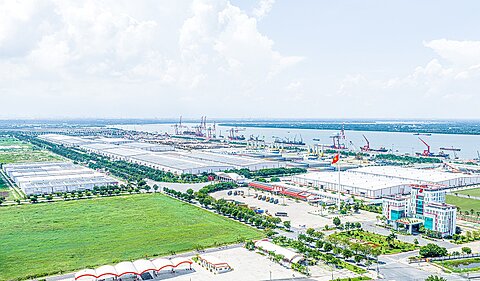
Long An International Port is classified as a Class I seaport under Vietnam’s National Seaport System Development Master Plan for the 2021–2030 period, with a vision toward 2050.